



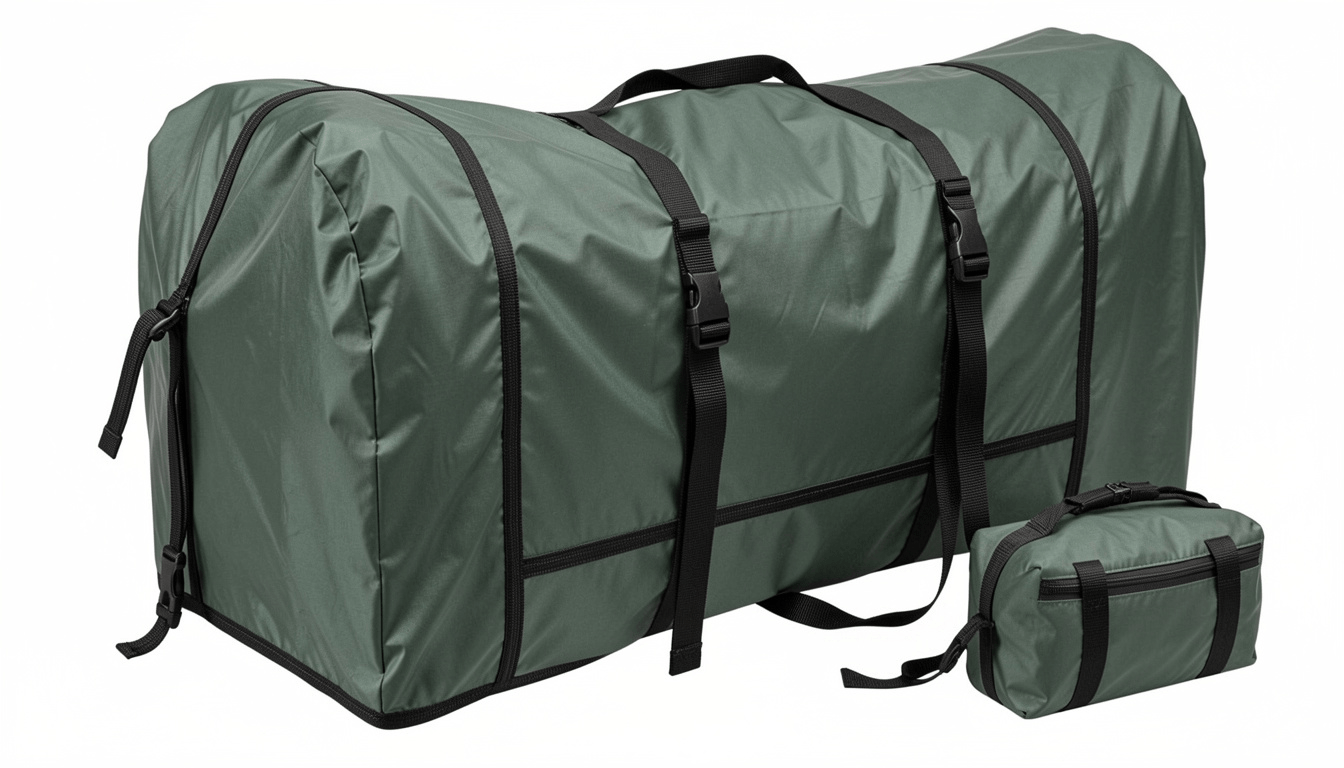
Imagine leaving your favorite bike outside in a heavy rainstorm. Water gets into the chains, the metal starts to rust, and the paint fades under the hot sun. That sounds awful, right? A bicycle cover is the ultimate shield that stops this from happening. It acts like a cozy, waterproof jacket for your ride.
Many people think keeping a bike under a porch is enough. Sadly, wind still blows dust and moisture onto your gears. A high-quality bicycle cover wraps around the entire frame to lock out dirt. It saves you money on repairs and keeps your bike looking brand new for years.
Investing in a proper shield means you can park your ride anywhere without worry. Whether you store it on a balcony or in a busy garage, this simple accessory offers total peace of mind. Let us dive into everything you need to know about picking the perfect one.
Biography Table: The Ultimate Bike Protector at a Glance
Before we look at the details, here is a quick overview of what makes a great shield for your bike.
| Feature | What It Does | Why It Matters |
| Material | Heavy-duty Oxford fabric or polyester | Resists rips and blocks heavy rain |
| UV Protection | Reflective coating | Stops the sun from fading the paint |
| Security Features | Lock holes and buckle straps | Prevents theft and keeps it from blowing away |
| Size Options | Stationary, travel, or multi-bike sizes | Ensures a snug fit for every type of ride |
The Hidden Dangers of Leaving Your Bike Uncovered
When you leave your bike out in the open, nature attacks it from all sides. Rain is the biggest enemy because moisture causes fast rust. Rust ruins your chain and makes pedaling very hard and noisy.
Sunlight is another silent danger for your ride. Strong UV rays crack plastic seats and ruin rubber tires over time. A bicycle cover blocks these harmful rays completely, acting like sunscreen for your bike.
Finally, indoor storage faces problems too. Garages get dusty, and dust mixes with bike grease to create sticky mud. Covering your ride prevents this buildup, so your gears stay clean and smooth.
Waterproof vs. Water-Resistant: Knowing the Difference
When shopping, you will see two words often: waterproof and water-resistant. They sound similar, but they are actually very different. A water-resistant material only repels light splashes or short drizzles.
A truly waterproof bicycle cover keeps heavy downpours away completely. It uses special coatings and sealed seams to ensure zero water seeps through. If you store your ride outdoors, always choose a fully waterproof option.
Think of it like an umbrella versus a light jacket. You want the ultimate umbrella for your bike when the storm hits. Checking the fabric rating helps you make the right choice.
How to Choose the Right Size for a Perfect Fit
Getting the right size is very important for good protection. If the shield is too big, it will sag and collect puddles of water. If it is too small, it will leave the bottom wheels exposed to dirt.
Most brands offer sizes for single bikes, mountain bikes, or even large beach cruisers. You should measure your handlebars and total length before buying. A proper bicycle cover should reach all the way to the ground.
If you own two rides, look for a multi-bike option. These are extra wide and let you protect both frames under a single shield easily.
Key Security Features That Keep Your Cover Safe
A great shield should do more than just block the rain. It also needs to stay in place during high winds. Look for options that feature heavy-duty buckle straps at the bottom.
These straps loop through the wheels so the wind cannot blow the material away. Elastic hems also help by hugging the tires tightly. This creates a secure fit that stays put during stormy nights.
Security holes near the front wheel are another amazing feature. They let you slide your regular bike lock through the fabric. This clever design protects your ride from thieves and keeps the fabric safe from being stolen too.
The Best Materials for Long-Lasting Protection
Not all fabrics are created equal when it comes to outdoor protection. Cheap plastics rip easily after just a few weeks in the sun. You want a heavy-duty material like Oxford cloth or high-grade polyester.
These fabrics are rated by thickness, often using a number followed by a ‘D’ (like 210D or 300D). The higher the number, the thicker and tougher the material is. A thicker bicycle cover handles rough wind without tearing apart.
Good materials also include a soft inner lining. This smooth layer ensures the fabric never scratches your shiny paint or scrapes your handlebars while putting it on.
Indoor Storage Benefits You Might Not Think About
Many riders believe they only need a shield if they store their ride outside. However, indoor storage comes with its own set of unique hazards. Dust and cobwebs love to settle on oily bike chains.
If you keep your ride in a basement or shared apartment hallway, people might bump into it. A soft bicycle cover acts like a cushion, protecting your frame from accidental scratches and dings.
It also keeps your living space much cleaner. A covered bike will not drop chain grease or muddy water onto your clean carpets and floors after a long outdoor ride.
Travel Covers: Protecting Your Ride on Road Trips
Taking your bike on a road trip is super fun, but highway travel is tough on gear. Wind, bugs, and flying pebbles can hit your frame at high speeds while sitting on a car rack.
A specialized travel bicycle cover is designed specifically for this situation. It uses extra-strong straps to handle high highway winds without flapping around loudly.
Using one during your trip ensures your bike arrives at the trails clean and ready to ride. No one wants to clean dead bugs off their handlebars before a fun mountain ride!
Step-by-Step Guide to Putting on Your Cover Easily
Putting a large piece of fabric over a bike can feel tricky at first. Start by finding the front of the shield, which usually has the lock holes. Face that side toward your front wheel.
Hook the fabric over your handlebars first, as they are the widest part. Then, gently pull the material back over the seat and down toward the rear wheel.
Once the frame is fully covered, pull the elastic edges under both tires. Finally, click the windproof buckles together at the bottom. Adjust the straps tightly, and your bike is fully safe!
Simple Care and Cleaning Tips for Your Shield
To make your shield last for years, you need to take care of it too. Never put a wet shield into its storage bag, or it might grow smelly mold. Always let it air dry completely in the sun first.
Cleaning the fabric is very simple and takes just a few minutes. Do not put it in a washing machine, because that can ruin the waterproof coating. Instead, spray it down with a garden hose.
Use a soft sponge with mild soap to scrub away bird droppings or mud. Rinse it thoroughly with clean water, and let it dry over a fence or clothesline.
Conclusion: Give Your Ride the Protection It Deserves
Taking care of your bike does not have to be difficult or expensive. A reliable bicycle cover is a simple tool that prevents rust, blocks sun damage, and keeps dirt away. It ensures your ride is always clean and ready for your next adventure.
Whether you store your ride on a windy balcony or inside a dusty garage, this accessory saves you time and maintenance money. Pick the right size, secure the straps, and enjoy knowing your bike is completely safe.
Frequently Asked Questions (FAQs)
Can I use a bicycle cover during freezing winter weather?
Yes, high-quality shields are designed to handle freezing temperatures without cracking. They keep snow and ice off your gears, which protects the metal parts from freezing or rusting during the cold winter months.
Will a bicycle cover scratch the paint on my bike?
A good shield will not scratch your paint if it is clean. Look for options with a soft inner lining, and always make sure your bike is dry and free of sharp dirt before covering it up.
How do I stop the wind from blowing my cover away?
Always use the built-in buckle straps and elastic hems at the bottom of the shield. Fastening these straps around the wheels locks the fabric down tightly so high winds cannot catch it like a sail.
Is it okay to cover a wet bike after riding in the rain?
It is best to wipe your bike down with a dry towel before putting the shield on. Covering a wet bike can trap moisture inside, which might cause rust over time. Always try to cover a dry ride.
Can a single cover fit two bicycles at the same time?
Standard models are made for just one bike, but many brands sell special double or triple sizes. If you want to protect two rides together, make sure to buy an extra-wide multi-bike model.
How long does a high-quality bike shield usually last?
With proper care, a heavy-duty fabric shield can easily last for several years. Keeping it clean and avoiding sharp objects will help extend its life so it can protect your ride for a long time.
