



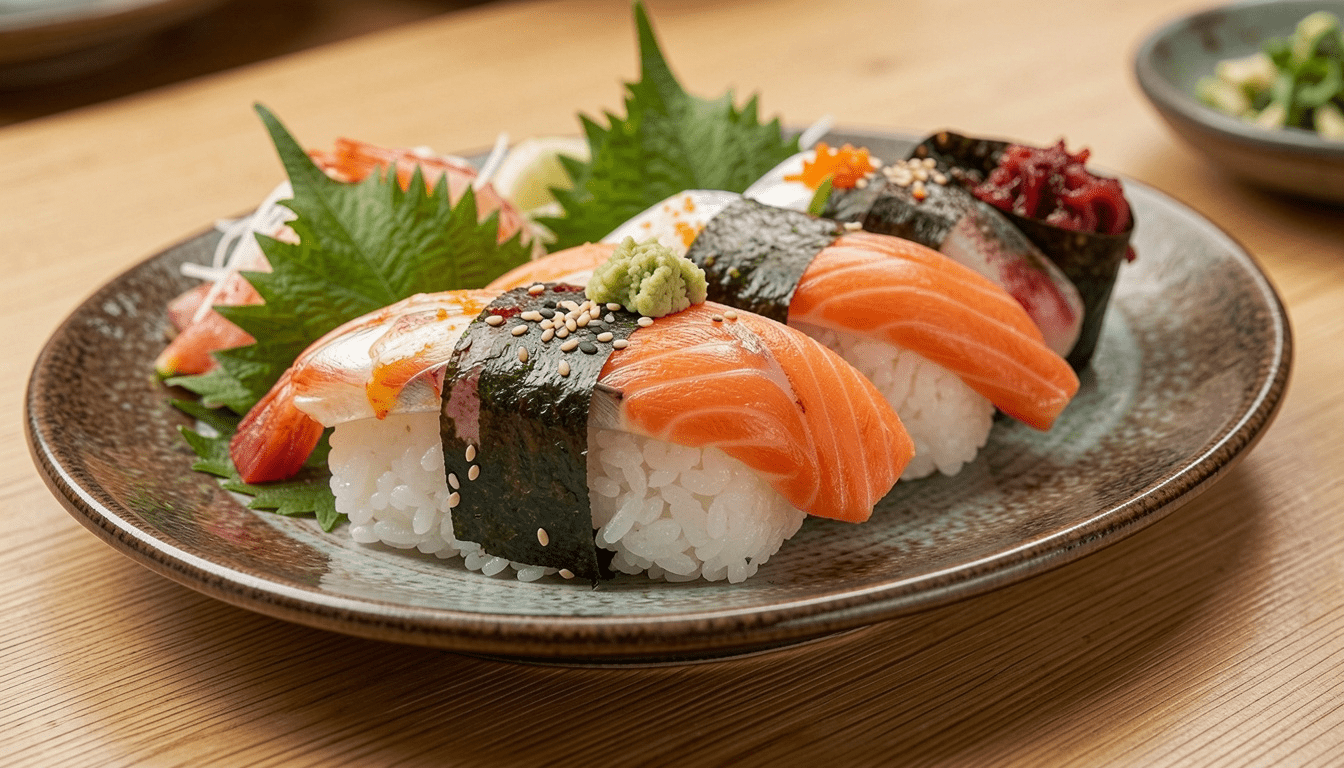
Imagine walking into your favorite restaurant and a smart computer already knows exactly what you want to eat. This is not a movie about the future. It is happening right now because of a new technology called Sushi AI. Smart machines and clever software are helping chefs make better food for everyone. This technology helps restaurants track fish freshness, make rolls faster, and reduce food waste. In this article, we will look at how this amazing innovation works and why it is changing the food world for the better.
Many people wonder if robots will completely replace human sushi masters. The short answer is no, because making great food still needs a human touch. Instead, Sushi AI works like a super smart assistant for the kitchen staff. It takes care of boring jobs so chefs can focus on creating beautiful and delicious dishes. Whether you love classic tuna rolls or modern spicy salmon creations, this technology will make your next dining experience even more fun and delicious.
Table of Contents
What Exactly is Sushi AI and How Does It Work
Sushi AI is a special kind of technology that uses smart computers to help restaurants make and serve food. These systems use cameras and sensors to look at plates of food on a conveyor belt. The computer can instantly tell what kind of roll is on the plate and how long it has been sitting there. This helps the kitchen staff know when to make fresh food so nothing gets old or goes bad.
This smart software also helps management understand what customers like to eat the most. If the computer notices that people eat more salmon on Tuesdays, it tells the chef to prepare more salmon. This means you always get your favorite food without waiting a long time. It makes the entire kitchen run smoothly like a well-oiled machine.
The History of Automated Food and Modern Dining Tech
Using machines to serve food is not completely new, but today’s technology is much smarter than old vending machines. Years ago, restaurants in Japan started using simple conveyor belts to move plates around the room. Now, adding Sushi AI to these belts makes them think for themselves. The system connects to the internet and updates its information every single second.
Over the past few years, engineers built special robots that can shape rice perfectly. When you combine these physical robots with Sushi AI software, you get a super fast kitchen. This combination helps busy restaurants feed hundreds of hungry people during lunch hour without making mistakes. It is a big step forward from the simple tools people used in the past.
Meet the Pioneers Behind This Innovative Food Technology
Many smart engineers and food lovers worked together to create Sushi AI systems. Companies like Kawasaki and various tech startups in Tokyo started testing these ideas in big restaurants. They wanted to solve a big problem, which was the shortage of trained chefs. By teaching computers how to recognize food, they created a brilliant solution for the industry.
These inventors spent thousands of hours training the software to see the difference between tuna and salmon. Today, their hard work pays off in hundreds of casual dining spots around the globe. These creators continue to update the software every day to make it even more accurate and helpful for restaurant owners.
Comprehensive Biography of Tech Innovations
| Innovation Milestone | Year Introduced | Main Purpose | Impact on Dining |
| Smart Conveyor Belts | 2018 | Track plate movement | Reduces old food on the belt |
| Rice Shaping Robots | 2020 | Form perfect rice balls | Helps chefs move much faster |
| Sushi AI Vision Tech | 2023 | Identify fish types with cameras | Keeps food ultra fresh and safe |
| Automated Ordering | 2025 | Predict customer choices | Lowers total kitchen food waste |
How Smart Technology Keeps Your Fish Super Fresh
Food safety is the most important part of running a great seafood restaurant. Sushi AI helps monitor the temperature of fish from the moment it arrives at the shop. Special sensors send alerts if a refrigerator gets a little too warm. This fast warning stops good food from spoiling before it ever reaches your plate.
When plates travel around on a conveyor belt, the Sushi AI system watches them closely. If a plate goes around too many times, the system tells the server to remove it. This ensures that every single piece of fish you pick up tastes amazing and is perfectly safe to eat. You never have to worry about getting a stale roll.
Reducing Food Waste with Clever Kitchen Computers
Food waste is a massive problem for restaurants all over the world. When chefs make too much food, the extra items end up in the trash bin. Sushi AI solves this issue by tracking exactly how much people eat every day. The smart program creates a perfect schedule for the kitchen staff to follow.
By using Sushi AI, some restaurants have cut down their food waste by more than half. This is wonderful news for the environment and saves the business a lot of money. When a restaurant saves money on waste, they can afford to buy higher quality ingredients for their guests. It is a win for everybody involved.
Why Robots and Human Chefs Make the Ultimate Team
Some people feel worried that robots will take away jobs from human workers. In reality, Sushi AI creates a wonderful partnership between humans and technology. Shaping rice perfectly takes years of practice, but a machine can do it in two seconds. This frees up the human chef to focus on cutting the fish beautifully.
The human touch is still needed to create unique flavor combinations and talk to guests. Sushi AI handles the repetitive tasks, while the chef brings creativity and warmth to the restaurant. Together, they create a dining experience that is both fast and incredibly high in quality.
The Global Rise of Smart Conveyor Belt Restaurants
Smart dining concepts are spreading quickly across the United States, Europe, and Asia. People love the excitement of watching tech-driven kitchens prepare their meals. With Sushi AI running behind the scenes, these modern spots can serve premium food at very affordable prices. It makes eating out fun for the entire family.
Kids especially love watching the little plates zoom around while the computers keep track of everything. Many popular chains are upgrading their older systems to include Sushi AI features this year. This trend shows no signs of slowing down anytime soon as technology gets better and cheaper.
How Artificial Intelligence Changes the Way We Order
Ordering dinner is much easier when you have a smart system guiding you. New apps powered by Sushi AI can suggest specific rolls based on what you liked in the past. If you dislike spicy ingredients, the app automatically hides those options from your screen. It feels like having a personal waiter who knows your exact taste.
These systems also help people with dangerous food allergies stay safe. The Sushi AI double-checks every order to ensure no unwanted ingredients touch your food. This gives diners peace of mind when trying out new dishes at a restaurant.
What the Future Holds for High Tech Dining Experiences
We are only seeing the very beginning of what Sushi AI can do for the food industry. In the future, these systems might help customize nutrition profiles for individual diners. Imagine a machine that adds extra vitamins or proteins to your roll based on your fitness goals. The possibilities for customization are truly endless.
We will also see smaller versions of Sushi AI designed for home kitchens. Smart appliances will help regular people roll perfect maki in their own homes. Technology will continue to make delicious, healthy food accessible to more people around the world.
Why Customers Truly Trust Technology in the Kitchen
Trust is a huge factor when it comes to eating raw fish. People feel comfortable when they see Sushi AI managing food safety protocols. Knowing that a computer checks the freshness of every plate makes diners feel secure. It removes the guesswork from choosing a plate off a moving belt.
Restaurants that use Sushi AI are often very open about their technology. They show customers how the data keeps the kitchen clean and efficient. This honesty builds a strong bond of trust between the business and the community.
Conclusion: A Fresh New Era for Food Lovers
Technology is changing our world in many exciting ways, and the food industry is a big part of that change. Sushi AI proves that smart computers can make our dining experiences safer, faster, and much more sustainable. It helps talented chefs do their jobs better while protecting the environment from unnecessary waste.
Next time you enjoy a delicious meal at a modern restaurant, think about the smart tech working behind the scenes. It is truly amazing to see how tradition and innovation can come together on a single plate. Why not visit a smart dining spot this weekend and see the magic for yourself?
Frequently Asked Questions
Can Sushi AI make food completely by itself?
No, the system needs human helpers to load ingredients and cut the fresh fish properly. The technology acts as a helpful assistant rather than a independent chef. It makes the job easier for humans.
Does this technology make dining out more expensive for families?
Actually, it usually makes the food cheaper because it reduces mistakes and stops food waste. Restaurants save money and pass those great savings down to their customers. It is very budget-friendly.
How does the computer know if a piece of fish is old?
The system uses special cameras and timers to track every plate from the moment it is made. If a plate stays on the belt too long, the computer flags it for removal.
Is the food made by machines as tasty as handmade food?
Yes, it tastes amazing because the machines ensure the rice texture and temperature are always perfect. The human chef still controls the overall recipe and quality of ingredients.
Where can I experience a Sushi AI restaurant today?
You can find them in many major cities inside modern conveyor belt restaurants. Look for places that advertise smart kitchens or automated ordering screens. They are becoming very common now.
Does Sushi AI help people who have food allergies?
Yes, the smart system tracks ingredients carefully to prevent cross-contamination in the kitchen. It alerts the staff if a customer has a specific allergy to shellfish or nuts.
