



Introduction
Milan has long been recognized as one of the world’s most influential fashion capitals milan fashion week 2025. Every year, the city transforms into a global stage where luxury, creativity, craftsmanship, and culture intersect. Milan Fashion Week 2025 continued this powerful tradition, delivering unforgettable runway moments, bold design statements, and a strong reflection of modern luxury.
From historic fashion houses redefining elegance to emerging designers introducing new aesthetics, this season stood out for its innovation and refined storytelling milan fashion week 2025. Hosted in the fashion capital of Milan, the event once again attracted international buyers, celebrities, media professionals, and style enthusiasts from every corner of the world.
This comprehensive guide explores the highlights, major collections, key trends, sustainability movements, celebrity appearances, street style influence, and the global business impact of the season.
The Legacy of Milan as a Fashion Capital
Before diving into the latest season, it is important to understand why Milan remains at the center of the luxury fashion universe.
Italy’s reputation for fine tailoring, premium fabrics, and artisanal craftsmanship has shaped global fashion for decades milan fashion week 2025. Italian houses are known for blending heritage with innovation — a balance that was clearly visible throughout the 2025 showcases.
Milan’s fashion week is part of the prestigious “Big Four” circuit, alongside Paris, London, and New York. However milan fashion week 2025, Milan holds a unique position due to its focus on luxury ready-to-wear, high-end tailoring, and refined glamour.
Major Designers Who Dominated the Runways
1. Gucci
Gucci’s presentation was one of the most anticipated shows of the season milan fashion week 2025. The brand delivered a bold reinterpretation of its heritage motifs. Structured silhouettes were paired with soft textures, creating a strong contrast between modern rebellion and timeless elegance.
Rich jewel tones, layered tailoring, and statement accessories defined the collection. The runway design also embraced immersive digital elements, reinforcing how luxury fashion continues to evolve in the digital era.
2. Prada
Prada showcased a collection that focused on minimalism with architectural precision. Clean lines, experimental fabrics, and asymmetrical cuts highlighted the brand’s commitment to intellectual fashion.
Neutral palettes dominated the show, but subtle metallic accents added futuristic depth. Prada’s approach reflected a growing demand for refined, wearable luxury rather than excessive embellishment.
3. Versace
Versace stayed true to its glamorous DNA while introducing modern silhouettes. Sharp tailoring, bold prints, and signature gold detailing gave the runway a powerful, confident energy.
The collection featured strong shoulders, structured jackets, and daring eveningwear — reinforcing Versace’s global appeal among celebrities and fashion-forward consumers.
4. Dolce & Gabbana
Dolce & Gabbana celebrated Italian heritage through intricate lace, corsetry, and romantic tailoring. The collection paid homage to traditional craftsmanship while integrating contemporary cuts and modern styling techniques.
The show emphasized texture and storytelling, transporting audiences into a world of Mediterranean luxury.
Key Trends from Milan Fashion Week 2025
This season introduced a refined yet daring direction in global fashion. Below are the most influential trends that emerged:
1. Elevated Minimalism
Designers leaned toward simplicity, but with high-quality fabrics and sharp construction. Clean silhouettes replaced excessive layering, signaling a shift toward timeless wardrobe staples.
2. Sustainable Luxury
Sustainability was not just a side note — it became a central theme. Many houses incorporated recycled textiles, ethical sourcing, and transparent production processes.
Luxury consumers are now demanding responsibility alongside beauty, and Milan’s designers responded confidently.
3. Power Tailoring
Oversized blazers, structured coats, and strong shoulders dominated the runway. Tailoring was presented in both masculine and feminine forms, blurring traditional fashion boundaries.
4. Metallic Accents
Subtle metallic fabrics, shimmering finishes, and reflective accessories appeared across multiple collections, suggesting futuristic influences in upcoming seasons.
5. Sheer Elegance
Sheer fabrics layered over structured garments created depth and softness. Designers used transparency as a symbol of vulnerability and strength combined.
Celebrity Appearances and Cultural Influence
Milan Fashion Week 2025 attracted global celebrities, influencers, and industry icons. Front rows were filled with actors, musicians, and digital creators who amplified the event’s reach through social media platforms.
Red carpet-inspired street style moments quickly went viral, influencing fashion trends beyond the runway. The fusion of celebrity culture and luxury branding continues to shape the commercial success of fashion weeks worldwide.
The Rise of Emerging Designers
While heritage houses dominated headlines, emerging designers gained attention through innovative presentations and bold experimentation.
Many independent brands focused on:
- Gender-fluid collections
- Sustainable fabrics
- Local craftsmanship
- Digital-first fashion marketing
These rising talents demonstrated that the future of fashion lies in diversity and adaptability.
Street Style: Fashion Beyond the Runway
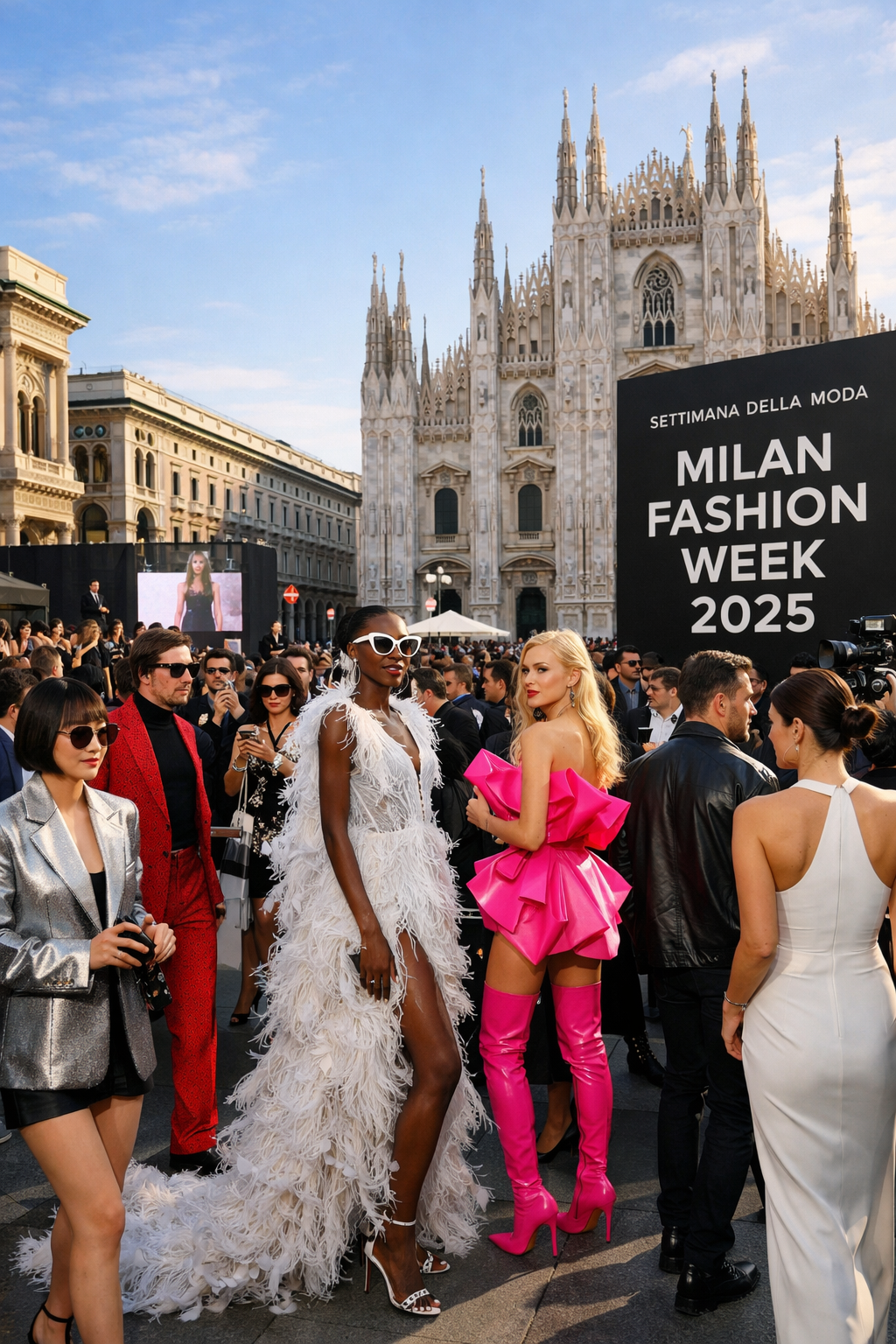
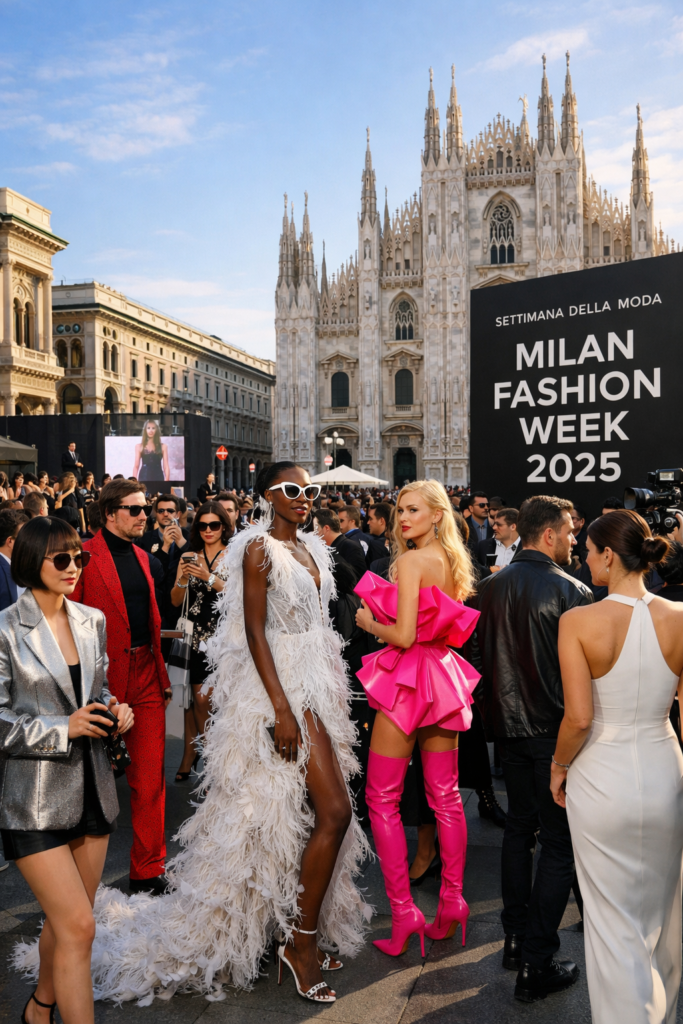
One of the most exciting aspects of Milan Fashion Week 2025 was the street style scene.
Fashion editors, influencers, stylists, and buyers turned the streets of Milan into an open-air runway. Oversized coats, luxury handbags, sharp boots, and creative layering showcased personal expression at its finest.
Street style photographers captured hundreds of standout looks that later influenced global retail trends.
Technology and Innovation in 2025
Technology played a larger role than ever before. From digital invitations to augmented reality runway experiences, brands embraced innovation to enhance audience engagement.
Some labels integrated:
- Virtual reality showrooms
- Live-streamed runway events
- AI-assisted design processes
- Digital fashion collectibles
The blend of technology and luxury fashion continues to redefine how consumers interact with high-end brands.
The Business Impact of the Event
Beyond creativity, Milan Fashion Week 2025 generated significant economic value.
The event boosted:
- Tourism revenue in Milan
- Global luxury sales
- International brand partnerships
- Retail pre-orders for upcoming seasons
Fashion buyers from Asia, North America, and the Middle East placed strategic orders, confirming strong demand for Italian luxury craftsmanship.
Sustainability: A Long-Term Commitment
Environmental responsibility was a recurring theme throughout the season. Designers introduced:
- Organic fabrics
- Carbon-neutral production goals
- Reduced waste techniques
- Circular fashion initiatives
Milan demonstrated that sustainability and luxury can coexist without compromising quality or aesthetics.
How Milan Fashion Week Shapes Global Trends
The influence of Milan extends far beyond Italy. Retailers worldwide analyze runway collections to forecast upcoming trends.
What appeared on the runway in Milan often becomes:
- Seasonal retail collections
- Editorial fashion campaigns
- Celebrity styling choices
- Influencer-driven micro-trends
The event sets the tone for the global fashion calendar.
Cultural Significance of the 2025 Season
This season reflected shifting societal values:
- Confidence in femininity and masculinity
- Ethical consumerism
- Appreciation for craftsmanship
- Celebration of individuality
Designers used fashion as a storytelling platform, blending art, politics, and culture into wearable statements.
What to Expect Next
Following Milan Fashion Week 2025, industry insiders anticipate:
- Increased digital integration
- More gender-neutral collections
- Expansion of sustainable luxury
- Greater collaboration between fashion and technology
The event proved that the fashion industry is evolving rapidly while preserving its artistic heritage.
Final Thoughts
Milan Fashion Week 2025 reaffirmed the city’s status as a global luxury powerhouse. The season balanced tradition and innovation, glamour and responsibility, artistry and commerce.
From iconic houses like Gucci and Prada to rising designers challenging conventions, the week delivered a clear message: fashion remains one of the most powerful cultural industries in the world.
As trends from this season gradually appear in stores and wardrobes worldwide, the influence of Milan will continue shaping the global style narrative.
The legacy of Milan as a fashion capital grows stronger each year — and 2025 marked another remarkable chapter in its history.
READ MORE : NEWSGIGAS
