



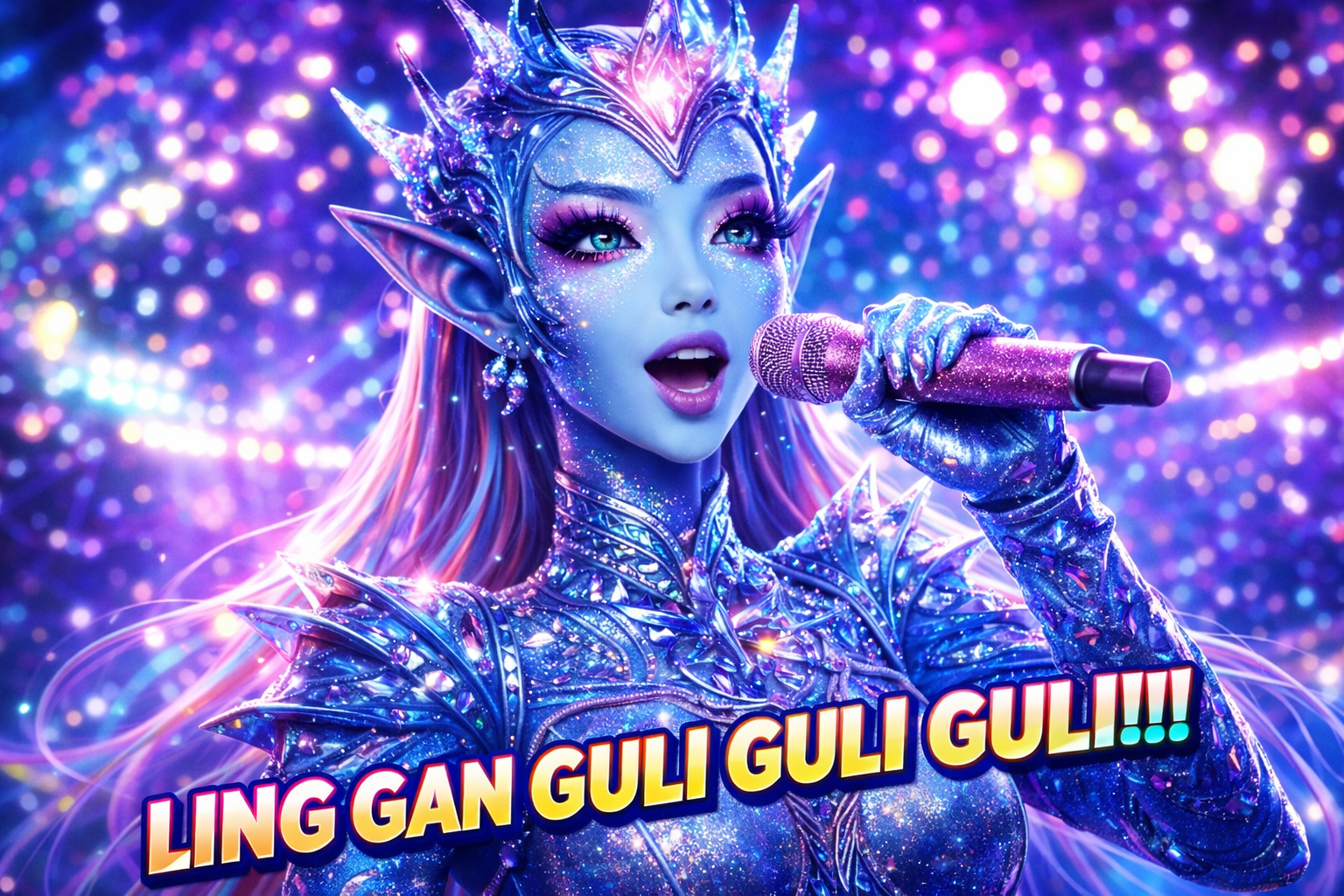
The phrase “ling gan guli guli guli” has recently gained attention across social media platforms, short-video apps, and meme communities. While it may sound playful or mysterious at first, many people are curious about its origin, meaning, cultural background, and why it has become so widely shared online.
In this comprehensive guide, we will explore everything you need to know about ling gan guli guli guli — from possible linguistic roots to its viral rise on platforms like TikTok and YouTube, and how such phrases become global internet trends.
What Does Ling Gan Guli Guli Guli Mean?
At first glance, the phrase appears rhythmic and musical ling gan guli guli guli. It does not immediately translate into a clear English meaning. Instead, it sounds like a chant, lyrical hook, or playful expression used in entertainment content.
In many cases, phrases like this:
- Are part of a song or remix
- Originate from a regional dialect
- Come from meme culture
- Are used as humorous sound effects
- Represent stylized or nonsensical lyrics meant for entertainment
The repetitive structure makes it catchy and easy to remember, which plays a major role in its online spread.
Why Is Ling Gan Guli Guli Guli Trending?
Several factors contribute to the popularity of unusual phrases online:
1. Catchy Sound Pattern
Repetition creates memorability. The rhythm of this phrase makes it ideal for:
- Dance videos
- Lip-sync performances
- Meme edits
- Short-form video loops
When a phrase is easy to chant, it spreads quickly.
2. Short-Form Video Platforms
Apps like TikTok, Instagram Reels, and YouTube Shorts thrive on:
- Trending audio clips
- Remix culture
- Quick, humorous content
Once a sound gains traction, creators replicate it in thousands of variations.
3. Curiosity Factor
People often search unusual phrases simply to understand:
- What it means
- Where it came from
- Why everyone is using it
Curiosity fuels search traffic and increases its visibility.
The Linguistic Structure Behind the Phrase
Even if the exact origin is unclear, we can analyze the structure:
- “Ling” – sharp, short sound
- “Gan” – strong consonant ending
- “Guli guli guli” – playful repetition
Repetition of syllables is common in:
- Folk music
- Children’s rhymes
- Festival chants
- Dance songs
- Meme sounds
Across many cultures, repeated syllables create rhythm and emotional engagement.
How Internet Culture Turns Random Phrases Into Trends
The internet has a unique ability to amplify phrases that would otherwise remain obscure.
Step 1: A Song or Clip Goes Viral
A short audio snippet becomes popular.
Step 2: Creators Remix It
Users create:
- Funny edits
- Dance challenges
- Reaction videos
- Meme compilations
Step 3: Search Volume Increases
As more people encounter the phrase, they search for its meaning.
Step 4: It Becomes Part of Meme Vocabulary
Eventually, the phrase becomes recognized as an online trend.
Ling gan guli guli guli follows this typical pattern of viral internet growth.
The Role of Sound in Viral Content
Sound plays a powerful psychological role in human memory.
Repetition Enhances Recall
Repetitive syllables stick in the brain longer than complex sentences.
Rhythm Creates Engagement
When something sounds musical, people are more likely to:
- Repeat it
- Sing along
- Use it in videos
Simplicity Encourages Participation
Short and simple phrases reduce hesitation. Anyone can join the trend.
Cultural Possibilities Behind the Phrase
Many viral phrases originate from:
- Regional folk songs
- Local comedy clips
- Independent music artists
- Cultural festivals
- Street interviews
Sometimes a phrase becomes popular outside its original cultural context.
Without confirmed origin data, it’s important not to assign specific language roots without verification ling gan guli guli guli. Viral sounds often evolve through remixing and reinterpretation.
Social Media and Algorithm Influence
Modern platforms rely heavily on algorithms. When engagement increases, the content is pushed further.
Here’s how it works:
- A video using the phrase gets high watch time.
- The algorithm recommends it to more users.
- More creators copy the trend.
- Engagement multiplies.
This feedback loop can transform a simple chant into a global phenomenon within days.
Why People Search for Ling Gan Guli Guli Guli
Search behavior often reflects curiosity and trend awareness.
Common reasons people look it up:
- To understand the meaning
- To find the original video
- To discover the song source
- To join the trend properly
- To avoid misusing the phrase
The internet rewards awareness of trending topics.
Meme Culture and Absurd Humor
Modern meme culture embraces absurdity. Many viral sounds:
- Do not have literal meaning
- Sound exaggerated
- Are intentionally humorous
Absurd phrases often spread faster because they:
- Surprise listeners
- Break normal language expectations
- Create inside jokes
Ling gan guli guli guli fits within this pattern of playful absurdism.
The Psychology of Viral Audio
Humans are wired to respond to rhythm and repetition.
Dopamine Effect
Catchy sounds can trigger mild dopamine responses due to anticipation patterns.
Social Belonging
Using trending phrases makes people feel part of a digital community.
Identity Signaling
Creators use trends to show they are culturally aware.
Can It Be a Song?
Many trending phrases originate from:
- Local rap songs
- Comedy remixes
- Festival tracks
- Remix DJs
- Street performances
If the phrase is part of a song, its hook section is likely responsible for its popularity.
Hooks are designed to:
- Be repetitive
- Be easy to chant
- Be instantly memorable
The Role of Remix Culture
The internet thrives on remix culture. Users transform audio by:
- Changing speed
- Adding bass
- Creating mashups
- Overlaying subtitles
- Syncing dance routines
A single phrase can spawn thousands of creative variations.
How Trends Spread Globally
Digital globalization allows local content to reach international audiences.
Factors include:
- Translation tools
- Cross-platform sharing
- Meme pages
- Influencer amplification
Even if the phrase started in a small region, global exposure is possible within hours.
Is There a Deeper Meaning?
Sometimes viral phrases have deeper meanings tied to:
- Social commentary
- Cultural expression
- Humor specific to a region
- Political satire
Other times, they are simply playful sounds without serious interpretation ling gan guli guli guli.
Without verified context, it is safest to treat it as an entertainment-driven trend.
How Content Creators Use Trending Phrases
Creators benefit from using trending sounds because:
- They increase visibility
- They align with algorithm preferences
- They attract audience attention
- They encourage engagement
However, trends are often short-lived.
The Lifecycle of Internet Trends
Most viral phrases follow this pattern:
- Discovery
- Explosion
- Saturation
- Decline
- Nostalgia
The key to understanding internet culture is recognizing this cycle ling gan guli guli guli.
Responsible Use of Viral Sounds
Before using any trending phrase, consider:
- Cultural sensitivity
- Original source credit
- Context of usage
- Avoiding offensive reinterpretation
Respect for creators and communities maintains positive digital culture.
Frequently Asked Questions
Is ling gan guli guli guli a real language phrase?
It may originate from a regional dialect or song, but without confirmed source details, it is best viewed as an internet trend phrase ling gan guli guli guli.
Why is it so popular?
Its rhythm, repetition, and meme adaptability make it ideal for short-form content.
Who started it?
Many viral sounds spread organically, making it difficult to pinpoint a single originator.
Will it remain popular?
Like most internet trends, popularity may fluctuate over time.
Final Thoughts
Ling gan guli guli guli represents the fascinating nature of modern internet culture ling gan guli guli guli. A simple, rhythmic phrase can capture global attention within days. Its rise demonstrates the power of repetition, digital algorithms, remix creativity, and community participation.
Whether it originated from a song, a meme, or a spontaneous moment, its viral spread highlights how online communities shape language and entertainment in real time.
Trends like this remind us that in the digital age, even the simplest sounds can become worldwide sensations.
READ MORE : NEWSGIGAS
